By
By 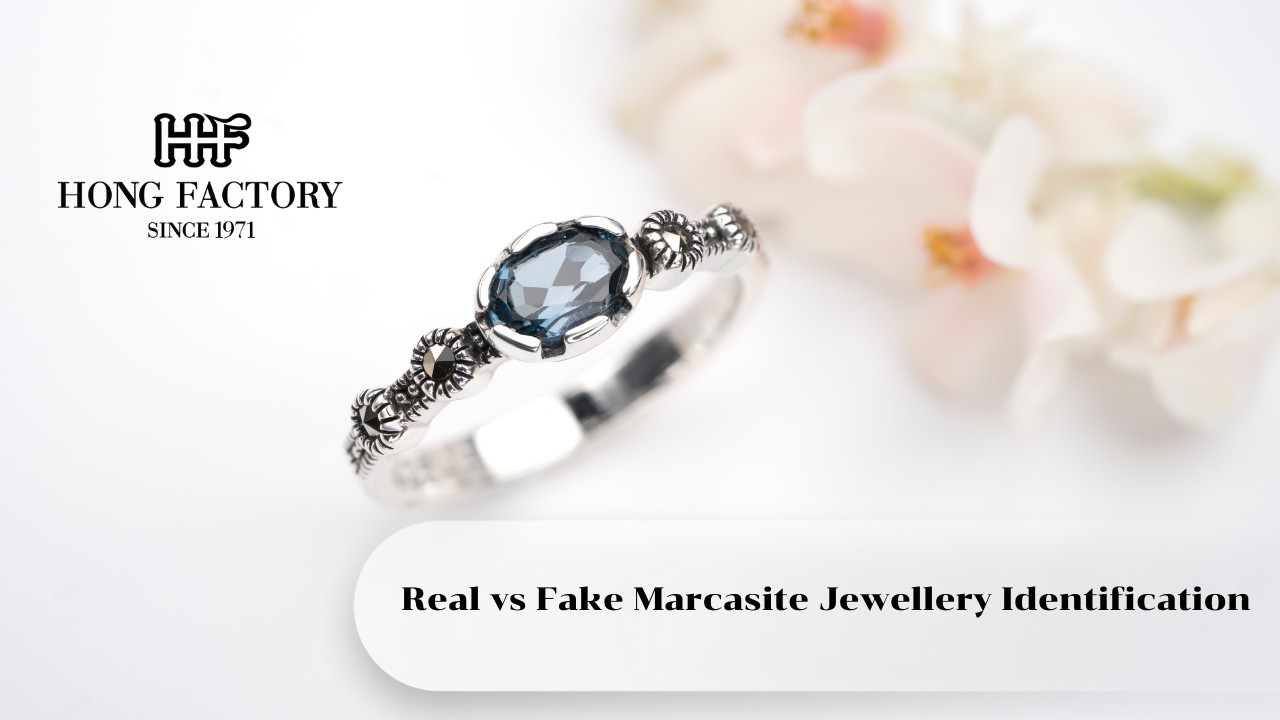
Why Identifying Real Marcasite Jewellery Matters
Being able to tell the difference between real and fake marcasite jewellery is essential for buyers, collectors, and sellers alike. Genuine marcasite jewellery offers durability, historical value, and refined craftsmanship, while fake pieces often suffer from poor construction and short lifespan. Marcasite stone
Because marcasite jewellery is widely reproduced, understanding key identification points helps prevent disappointment and protects long-term value.
Understanding What Real Marcasite Is
Real marcasite used in jewellery is typically a form of iron sulfide that has been carefully cut into small faceted stones. These stones are traditionally set into sterling silver and secured by hand.
Authentic marcasite has a subtle metallic sparkle rather than a bright, glassy shine. Its appearance is understated and refined, which distinguishes it from many imitation materials.
Common Materials Used in Fake Marcasite Jewellery
Fake marcasite jewellery often uses materials such as glass, plastic, or synthetic stones to imitate the look of real marcasite. These substitutes may appear overly shiny or uniform.
In many cases, fake pieces are set in low-quality base metals instead of sterling silver. These materials reduce durability and may cause skin irritation or discoloration.
Visual Differences Between Real and Fake Marcasite
One of the easiest ways to identify fake marcasite jewellery is by examining its shine. Real marcasite reflects light softly, while fake stones often produce an exaggerated sparkle.
Real marcasite stones are small and faceted, with slight natural variation. Fake stones tend to look overly perfect and identical, lacking depth and texture.
Examining the Stone Setting
Authentic marcasite jewellery usually features hand-set stones. Each stone should be securely placed with minimal gaps and smooth edges.
In fake pieces, stones may be glued rather than set. Glue residue, uneven placement, or loose stones are strong indicators of imitation jewellery.
Checking the Metal Quality
Most real marcasite jewellery is set in sterling silver. Look for hallmarks such as 925 or STERLING to confirm silver content.
Fake marcasite jewellery often uses plated metals that may tarnish unevenly or lose color over time. Inspecting the metal finish can reveal important clues.
Weight and Feel of the Jewellery
Real marcasite jewellery typically feels balanced and solid despite being lightweight. Fake pieces may feel either excessively light or awkwardly heavy due to poor material choices.
Handling the jewellery can provide insight into its construction quality and authenticity.
Signs of Craftsmanship and Detail
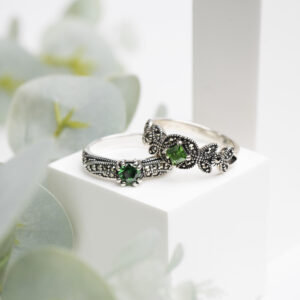
Genuine marcasite jewellery reflects skilled craftsmanship. Details such as symmetrical patterns, consistent stone alignment, and smooth silverwork are strong indicators of authenticity.
Fake jewellery often lacks these refined details and may show signs of rushed or careless production.
Age and Wear Patterns
Authentic older marcasite jewellery often shows natural signs of wear, such as gentle silver patina and softened edges. These signs should appear consistent across the piece.
Artificial aging or uneven wear may indicate a reproduction designed to mimic an antique appearance.
Price as an Indicator
While price alone should not determine authenticity, extremely low prices can be a warning sign. Real marcasite jewellery reflects the cost of materials and skilled labor.
Comparing similar pieces can help determine whether a price aligns with quality and authenticity.
Professional Verification and Testing
When in doubt, professional evaluation is recommended. Jewelers can examine stone settings, metal composition, and craftsmanship to confirm authenticity.
This step is especially important for valuable or antique marcasite jewellery.
Common Myths About Fake Marcasite Jewellery
A common myth is that all marcasite jewellery is fragile or low quality. In reality, well-made marcasite jewellery is durable and long-lasting.
Another misconception is that shiny stones indicate higher quality. For marcasite, subtle sparkle is a sign of authenticity.
Making Informed Buying Decisions
Learning how to identify real versus fake marcasite jewellery empowers buyers to make confident decisions. By examining materials, craftsmanship, and design details, it becomes easier to recognize genuine pieces.
This knowledge helps protect both investment and enjoyment when purchasing marcasite jewellery.