By
By 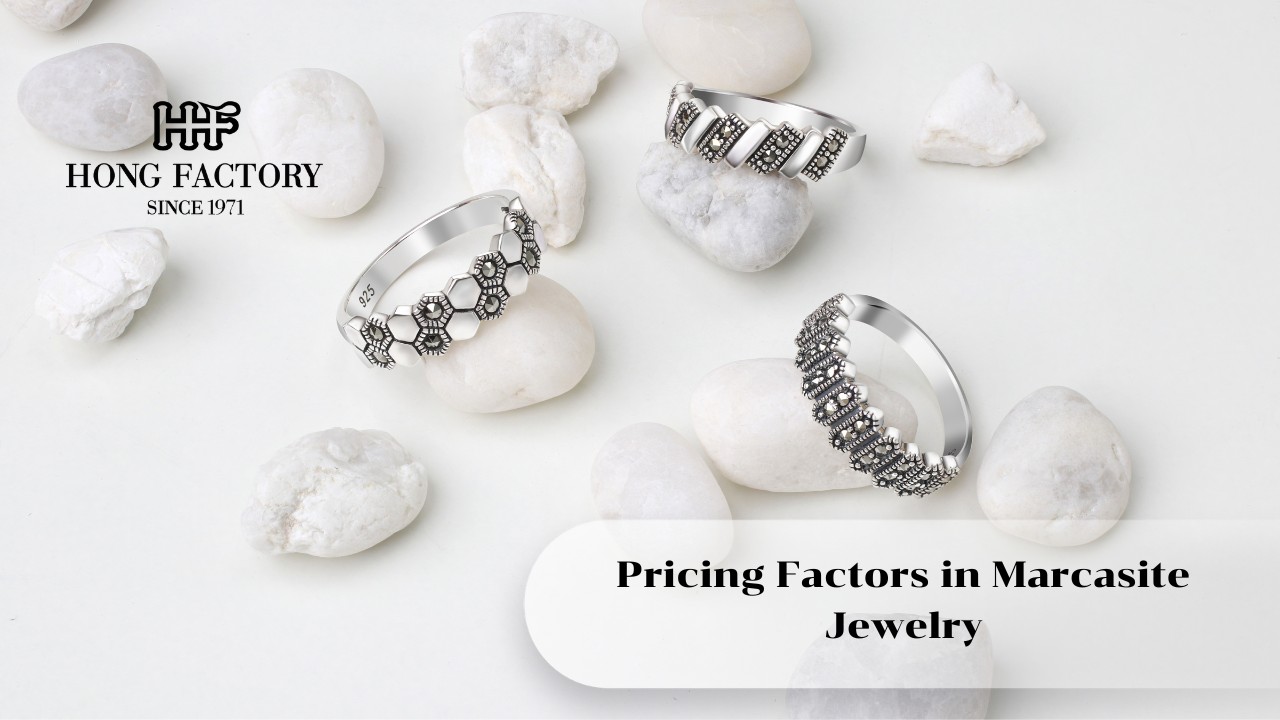
Pricing in marcasite jewelry is influenced by far more than appearance alone. While marcasite pieces are often considered affordable luxury, their prices reflect craftsmanship, materials, design complexity, and market positioning. Understanding pricing factors in marcasite jewelry helps buyers make informed purchasing decisions and enables brands and retailers to price products fairly and competitively. Is sterling silver real
This article breaks down the key elements that determine marcasite jewelry prices, from materials and workmanship to market trends and brand value.
Why Marcasite Jewelry Prices Vary
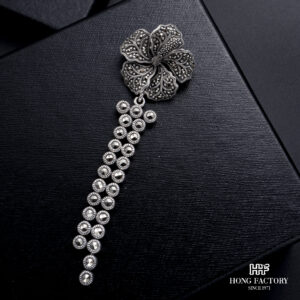
Not all marcasite jewelry is created equal.
Beyond Visual Similarity
Two pieces may look similar at first glance but differ significantly in:
- Stone-setting technique
- Silver quality and weight
- Craftsmanship level
- Longevity and repairability
These differences directly affect price.
Material Costs in Marcasite Jewelry
Materials form the base of pricing.
Sterling Silver 925
Silver content is a major cost driver.
Factors Affecting Silver Cost
- Weight of silver used
- Purity (true 925 vs lower alloys)
- Market silver prices
Heavier, solid silver pieces typically cost more but offer better durability.
Marcasite (Pyrite) Stones
While pyrite is not a rare gemstone, quality matters.
Stone Quality Considerations
- Uniform size and cut
- Consistent color and luster
- Minimal defects
Higher-quality stones increase material and labor costs.
Craftsmanship and Labor Costs
Labor is one of the most significant pricing factors.
Hand-Setting vs Machine-Setting
Authentic marcasite jewelry relies on hand-setting.
Impact on Price
- Hand-setting requires skilled artisans
- Production time increases significantly
- Quality control demands more labor
Handcrafted pieces command higher prices due to expertise and time investment.
Design Complexity and Detail
Design influences both labor and material use.
Simple vs Intricate Designs
- Minimalist designs use fewer stones and simpler settings
- Intricate patterns require more stones, precision, and time
Complex designs justify higher pricing.
Size and Weight of the Jewelry
Physical dimensions matter.
Price Impact
- Larger pieces require more silver
- Heavier jewelry increases material cost
- Bigger designs often involve more stones
Size contributes directly to overall cost.
Finishing Techniques and Surface Treatment
Finishing adds value.
Oxidation and Polishing
- Controlled oxidation enhances contrast
- Careful polishing preserves detail
Poor finishing lowers perceived value, while refined finishing supports premium pricing.
Quality Control and Inspection Standards
Quality assurance affects cost structure.
Why QC Raises Price
- Multiple inspection stages
- Rework and rejection of flawed pieces
- Skilled inspectors
Strong quality control reduces returns and supports brand trust.
Brand Reputation and Market Positioning
Brand equity plays a role.
Brand Influence
- Established brands command higher prices
- Consistent quality builds consumer confidence
- Transparent craftsmanship adds perceived value
Brand trust often justifies premium pricing.
Vintage vs Modern Marcasite Jewelry Pricing
Era affects value.
Vintage Pricing Factors
- Rarity and availability
- Craftsmanship era
- Condition and originality
Authentic vintage pieces may command higher prices than modern equivalents.
Geographic Production and Pricing
Location matters.
Production Origin
- Artisan workshops vs mass production
- Labor cost differences by region
- Quality standards by manufacturer
Lower prices may reflect shortcuts rather than efficiency.
Distribution and Retail Markups
Pricing reflects the supply chain.
Pricing Layers
- Manufacturer cost
- Wholesale margins
- Retail markups
Direct-to-consumer brands may offer better value.
Sustainability and Ethical Practices
Responsible practices influence pricing.
Cost of Ethical Production
- Fair wages
- Safe working conditions
- Sustainable sourcing
Ethical production often increases cost but adds long-term value.
Market Demand and Fashion Trends
Demand affects pricing.
Trend Influence
- Increased interest in vintage styles
- Growth of sustainable fashion
- Rising appreciation for craftsmanship
Higher demand can drive prices upward.
Custom and Limited-Edition Pieces
Exclusivity increases value.
Pricing Premiums
- Custom design services
- Limited production runs
- Personalized craftsmanship
Scarcity supports higher pricing.
Comparing Cheap vs Premium Marcasite Jewelry
Price reflects quality.
Key Differences
- Cheap: glued stones, base metals, minimal QC
- Premium: hand-set stones, solid silver, detailed finishing
Lower prices often indicate compromised craftsmanship.
Buyer Tips: Evaluating Price vs Value
Smart buyers look beyond price tags.
How to Assess Value
- Examine stone setting
- Check silver markings
- Evaluate weight and finish
- Research brand reputation
Value lies in durability and craftsmanship.
Pricing Transparency Builds Trust
Clear pricing benefits everyone.
Why Transparency Matters
- Educates buyers
- Justifies cost differences
- Reduces price-based confusion
Transparent brands gain loyalty.
Long-Term Value of Well-Priced Marcasite Jewelry
Initial cost is only part of the equation.
Long-Term Benefits
- Fewer repairs
- Better resale potential
- Longer wearable lifespan
Well-priced pieces offer better lifetime value.
Conclusion
Pricing factors in marcasite jewelry reflect a combination of material quality, skilled craftsmanship, design complexity, and market dynamics. While marcasite jewelry can range from affordable to premium, understanding what drives these prices allows buyers to choose value over appearance alone. Ultimately, well-made marcasite jewelry justifies its price through durability, authenticity, and timeless appeal—qualities that remain valuable long after trends fade.