By
By 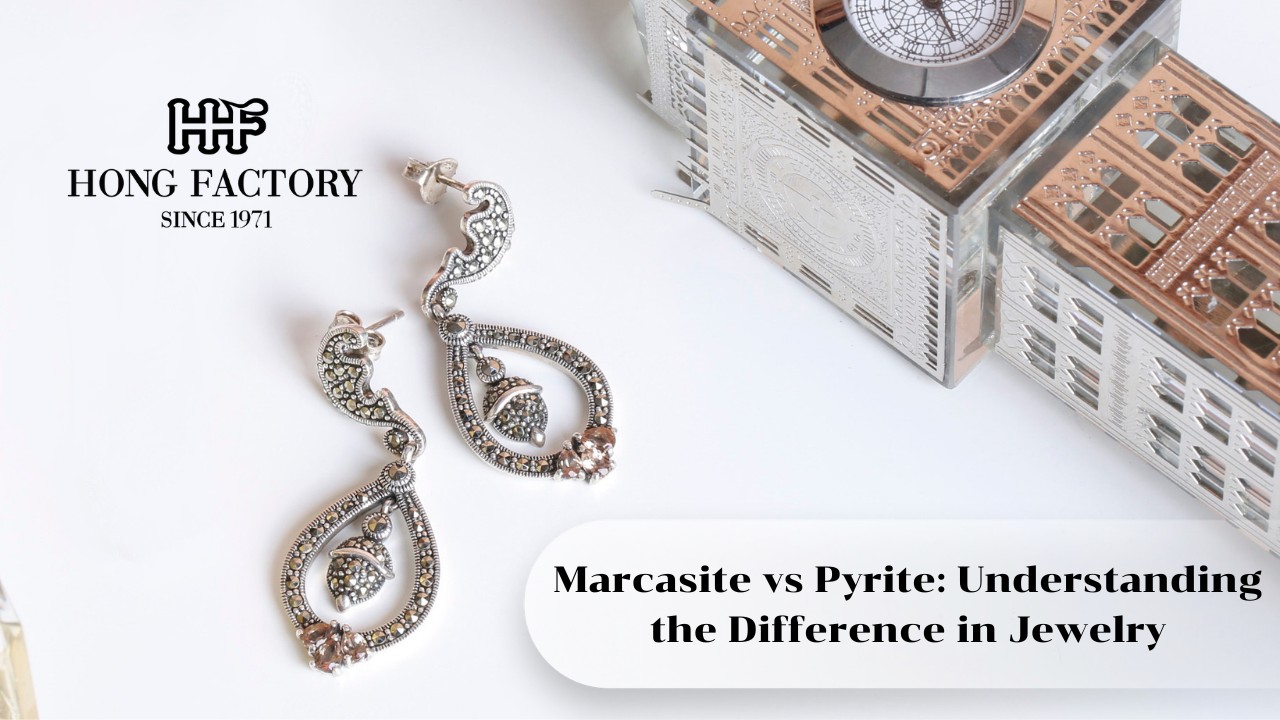
One of the most common sources of confusion in the world of marcasite jewelry is the difference between marcasite and pyrite. Although the term “marcasite jewelry” is widely used, the stones set in most modern pieces are technically pyrite. Understanding the distinction between these two minerals is essential for buyers, collectors, designers, and jewelry businesses alike.
This article explains the difference between marcasite and pyrite, why pyrite is used in jewelry, and how this distinction affects quality, durability, and value. Is sterling silver real
What Is Marcasite?
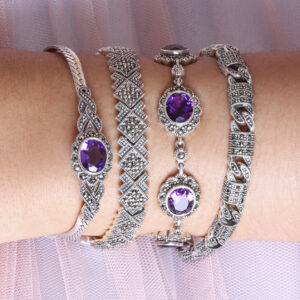
Marcasite is a naturally occurring iron sulfide mineral.
Mineral Characteristics of Marcasite
- Chemical formula: FeS₂
- Pale bronze to silvery-yellow color
- Orthorhombic crystal structure
- Brittle and unstable when exposed to moisture
True marcasite is chemically unstable and prone to oxidation, making it unsuitable for long-term use in jewelry.
What Is Pyrite?
Pyrite is also an iron sulfide mineral, sharing the same chemical formula as marcasite but with different physical properties.
Mineral Characteristics of Pyrite
- Chemical formula: FeS₂
- Brassy yellow to metallic silver appearance when cut
- Cubic crystal structure
- Far more stable and durable than marcasite
Because of its stability and ability to hold sharp facets, pyrite is the preferred material for jewelry applications.
Why Pyrite Is Used in Marcasite Jewelry
Although jewelry is commonly labeled as “marcasite,” the stones are almost always cut from pyrite.
Key Reasons for Using Pyrite
- Greater resistance to cracking and oxidation
- Ability to be cut into small, precise geometric shapes
- Long-term durability suitable for daily wear
- Consistent visual appearance
Using true marcasite would result in rapid deterioration, making pyrite the practical and professional choice.
Historical Naming and Tradition
The term “marcasite jewelry” originates from historical usage rather than mineral accuracy.
Traditional Terminology
In early European jewelry traditions, any small metallic iron sulfide stone used decoratively was referred to as marcasite. The name persisted even after mineral science clarified the differences.
Today, “marcasite” describes a jewelry style and setting technique, not the exact mineral species.
Visual Differences Between Marcasite and Pyrite
To the untrained eye, marcasite and pyrite may look similar.
Subtle Visual Distinctions
- Pyrite tends to have a brighter, more uniform metallic sheen
- True marcasite often appears duller and more brittle
- Jewelry-grade stones are carefully polished pyrite
In finished jewelry, visual differences are minimal because pyrite is selected and cut to replicate the classic marcasite look.
Structural Differences and Durability
Durability is one of the most important distinctions.
Marcasite Durability Issues
- Prone to crumbling over time
- Sensitive to humidity and moisture
- Unsuitable for long-term jewelry wear
Pyrite Durability Advantages
- Stable crystal structure
- Resistant to environmental damage
- Maintains appearance over many years
This durability is why pyrite ensures marcasite jewelry can last generations.
How the Difference Affects Jewelry Quality
The use of pyrite directly impacts jewelry performance.
Quality Benefits of Pyrite-Set Jewelry
- Secure hand-setting with minimal stone loss
- Consistent sparkle and surface reflection
- Reduced risk of damage during polishing and wear
High-quality marcasite jewelry depends as much on stone choice as on craftsmanship.
Common Misconceptions About Marcasite and Pyrite

Misunderstandings are widespread.
“Pyrite Means Fake Jewelry”
This is incorrect. Pyrite is not a fake substitute—it is the correct material for producing durable marcasite-style jewelry.
“True Marcasite Is More Valuable”
In jewelry terms, true marcasite has no practical advantage and is rarely used due to instability.
Education helps consumers appreciate authentic craftsmanship rather than mineral labels.
How Jewelers Select Pyrite for Marcasite Jewelry
Stone selection is a critical process.
Selection Criteria Include:
- Uniform color and clarity
- Ability to cut precise facets
- Structural integrity for hand-setting
Only high-quality pyrite is suitable for premium marcasite jewelry.
Marcasite Jewelry as a Style, Not a Stone
Modern understanding defines marcasite jewelry by its aesthetic and technique.
Key Style Elements
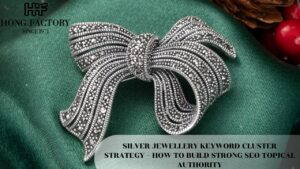
- Small, faceted metallic stones
- Hand-set into sterling silver
- Vintage or geometric design language
This definition transcends mineral classification.
Why the Distinction Matters for Buyers and Businesses
Understanding the difference builds trust.
Benefits of Transparency
- Informed purchasing decisions
- Clear product descriptions
- Stronger brand credibility
For jewelry businesses, education reduces confusion and increases perceived value.
Caring for Pyrite-Based Marcasite Jewelry
Proper care ensures longevity.
Care Guidelines
- Avoid prolonged moisture exposure
- Store in dry conditions
- Clean gently with a soft cloth
Proper care keeps pyrite stones stable and brilliant.
Conclusion
The difference between marcasite and pyrite is a matter of mineral science, durability, and tradition. While true marcasite exists as a mineral, pyrite is the correct and responsible choice for jewelry production. Understanding this distinction allows buyers to appreciate marcasite jewelry for what it truly represents: a timeless style defined by craftsmanship, history, and enduring beauty rather than a single mineral name.