By
By 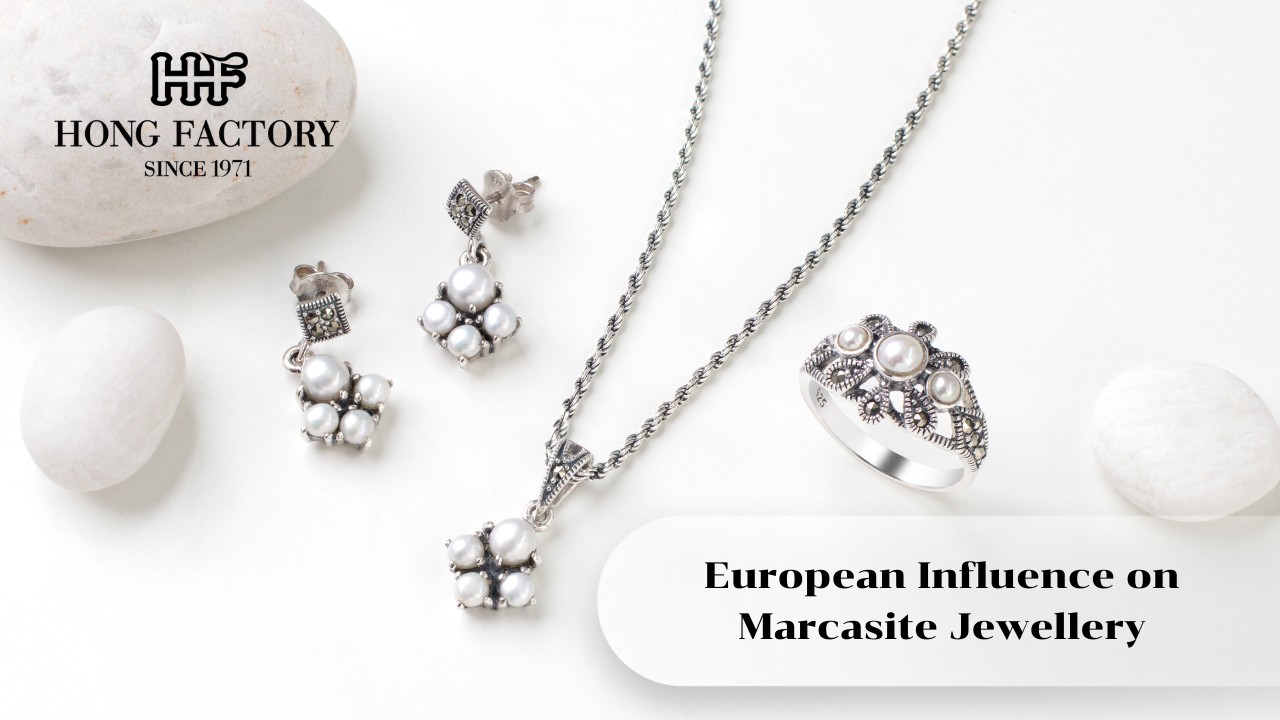
Why Europe Played a Key Role in Marcasite Jewellery
Europe has been central to the development and refinement of marcasite jewellery. From early craftsmanship traditions to iconic design movements, European influence shaped how marcasite jewellery looks, feels, and is valued today. marcasite stone
Historical workshops, skilled artisans, and strong design philosophies established standards that continue to guide modern production.
Early European Craftsmanship Traditions
Marcasite jewellery gained prominence in Europe during periods when silverworking flourished. European artisans perfected hand-setting techniques that allowed small marcasite stones to be placed precisely and securely.
These early methods emphasized durability, symmetry, and visual harmony, laying the groundwork for long-lasting quality.
Germany and Precision Marcasite Work
Germany became one of the most influential regions in marcasite jewellery production. German craftsmen were known for precision, consistency, and refined stone placement.
Many vintage marcasite pieces admired today reflect German standards of meticulous workmanship and balanced design.
Swiss Influence and Technical Excellence
Swiss artisans contributed technical expertise and attention to detail. Their influence is seen in finely engineered settings and reliable construction.
Swiss craftsmanship helped elevate marcasite jewellery from decorative accessory to respected fine silver jewellery.
Victorian Europe and Symbolic Design
During the Victorian era, European marcasite jewellery embraced symbolism and ornamentation. Floral motifs, romantic themes, and meaningful forms became popular.
These designs reinforced marcasite jewellery’s emotional and cultural significance.
Edwardian Elegance Across Europe
The Edwardian period introduced lighter, more graceful designs. European jewellers refined proportions and reduced visual weight.
Marcasite jewellery from this era reflects elegance, delicacy, and refined craftsmanship.
Art Deco Movement and European Innovation
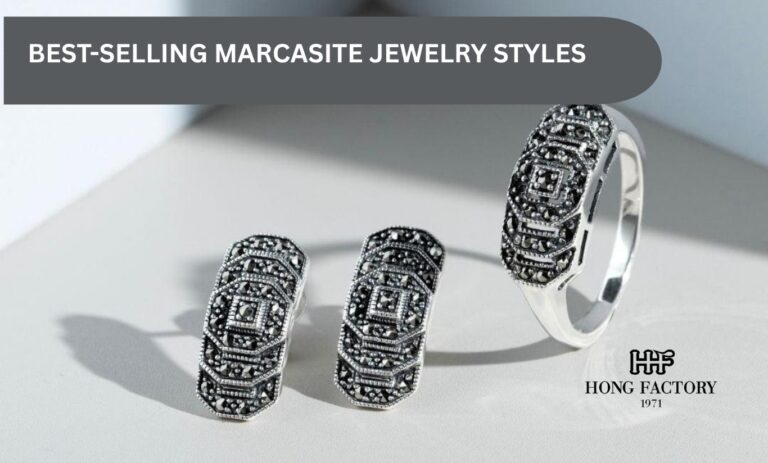
The Art Deco movement had a profound impact on European marcasite jewellery. Geometry, symmetry, and bold structure defined this period.
European designers used marcasite stones to emphasize sharp lines and architectural forms, creating iconic styles still admired today.
Regional Design Variations
Different European regions developed distinct characteristics. Some favored ornate detailing, while others emphasized minimal structure and clean lines.
These regional variations enriched marcasite jewellery with diversity and depth.
European Hallmarks and Quality Standards
European hallmarks and silver standards contributed to trust and authenticity. Clear markings helped buyers identify genuine silver and origin.
These practices established credibility that still influences modern authentication.
Influence on Modern Marcasite Jewellery
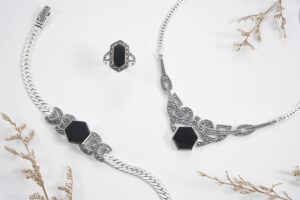
Modern marcasite jewellery continues to draw inspiration from European traditions. Designers reinterpret classic forms while maintaining craftsmanship principles.
European influence ensures continuity between historical elegance and contemporary design.
European Design Philosophy and Timelessness
European jewellery design values balance, proportion, and longevity. These principles align perfectly with marcasite jewellery’s character.
Timeless design rather than trend-driven aesthetics remains a defining influence.
Collecting European Marcasite Jewellery
Collectors often seek European marcasite pieces for their craftsmanship and historical relevance. Well-preserved examples offer both aesthetic and cultural value.
Understanding regional influence helps collectors make informed choices.
Why European Influence Still Matters
European influence continues to define quality expectations in marcasite jewellery. Its emphasis on craftsmanship, design integrity, and authenticity remains relevant.
This legacy ensures that marcasite jewellery retains its respected place in both historical and modern contexts.