By
By 
Why Identifying Real Silver Jewellery Matters
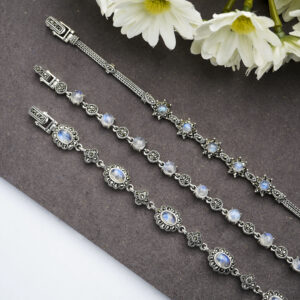
With the popularity of silver jewellery, the market also contains many silver-look alternatives and plated products. Knowing how to identify real silver jewellery protects buyers from overpaying and ensures long-term satisfaction. Authentic silver offers better durability, comfort, and value compared to imitation materials.
Understanding basic identification methods empowers buyers to shop with confidence. Marcasite stone
What Real Silver Jewellery Means
Real silver jewellery typically refers to pieces made from sterling silver or higher-purity silver alloys. The most common standard for wearable jewellery is sterling silver, which contains 92.5% silver.
Authenticity is defined by material composition, not appearance alone.
Check for Silver Hallmarks
Hallmarks are one of the easiest ways to identify real silver. Common marks include 925, Sterling, or S925. These stamps indicate sterling silver content.
Absence of hallmarks does not always mean fake, but it increases risk.
Understand Common Silver Markings
Different regions use different markings. European pieces may show numeric purity marks, while others use textual stamps.
Knowing common markings helps avoid confusion.
Magnet Test for Silver
Silver is not magnetic. If a piece strongly attracts a magnet, it is likely not real silver.
This test is simple but not conclusive on its own.
Weight and Feel Assessment
Silver has a noticeable weight compared to many base metals. Real silver jewellery often feels heavier than it looks.
Weight alone should not be the only indicator.
Sound Test for Silver Jewellery
When gently tapped, real silver produces a clear ringing sound rather than a dull thud. This method requires experience and comparison.
Sound testing works best as a secondary check.
Color and Surface Inspection
Real silver has a soft white or slightly warm tone. Extremely shiny or overly bright finishes may indicate plating.
Surface wear patterns can also reveal authenticity.
Tarnish as an Indicator
Silver tarnishes over time due to reaction with air and sulfur. Light tarnish can indicate genuine silver.
Fake silver usually does not tarnish naturally.
Skin Reaction Test
Real silver is generally skin-friendly. Green or black discoloration on skin may indicate base metals.
Skin reaction tests are not definitive but provide clues.
Avoid Relying on Price Alone
Low prices do not always mean fake, and high prices do not guarantee authenticity. Price should be evaluated alongside other factors.
Balanced evaluation prevents mistakes.
Ask for Material Disclosure
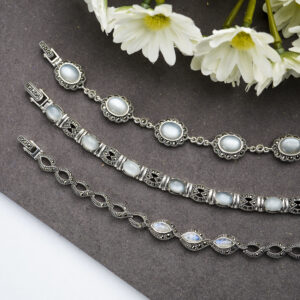
Reputable sellers clearly disclose silver content and alloy information. Transparency is a strong indicator of authenticity.
Clear communication builds trust.
Use Professional Testing When Unsure
Jewellers can perform acid tests or electronic testing to verify silver content. Professional testing provides accurate results.
Expert confirmation removes doubt.
Differences Between Solid Silver and Silver-Plated Jewellery
Silver-plated jewellery has a thin silver layer over base metal. Over time, plating may wear off.
Solid silver maintains consistency throughout the piece.
Identifying Vintage Silver Jewellery
Vintage silver may use older hallmarks or show natural wear and patina. Research helps interpret these signs correctly.
Context matters with older pieces.
Common Myths About Identifying Silver
Some believe all tarnished jewellery is silver. Tarnish alone is not proof.
Multiple checks provide better accuracy.
Building Confidence as a Silver Buyer
Learning to identify real silver jewellery takes practice. Over time, buyers develop an instinct for quality and authenticity.
Experience strengthens judgment.
Final Thoughts on Identifying Real Silver Jewellery
Identifying real silver jewellery involves combining visual checks, simple tests, and seller evaluation. No single method is perfect.
By using multiple techniques, buyers can confidently distinguish genuine silver