By
By 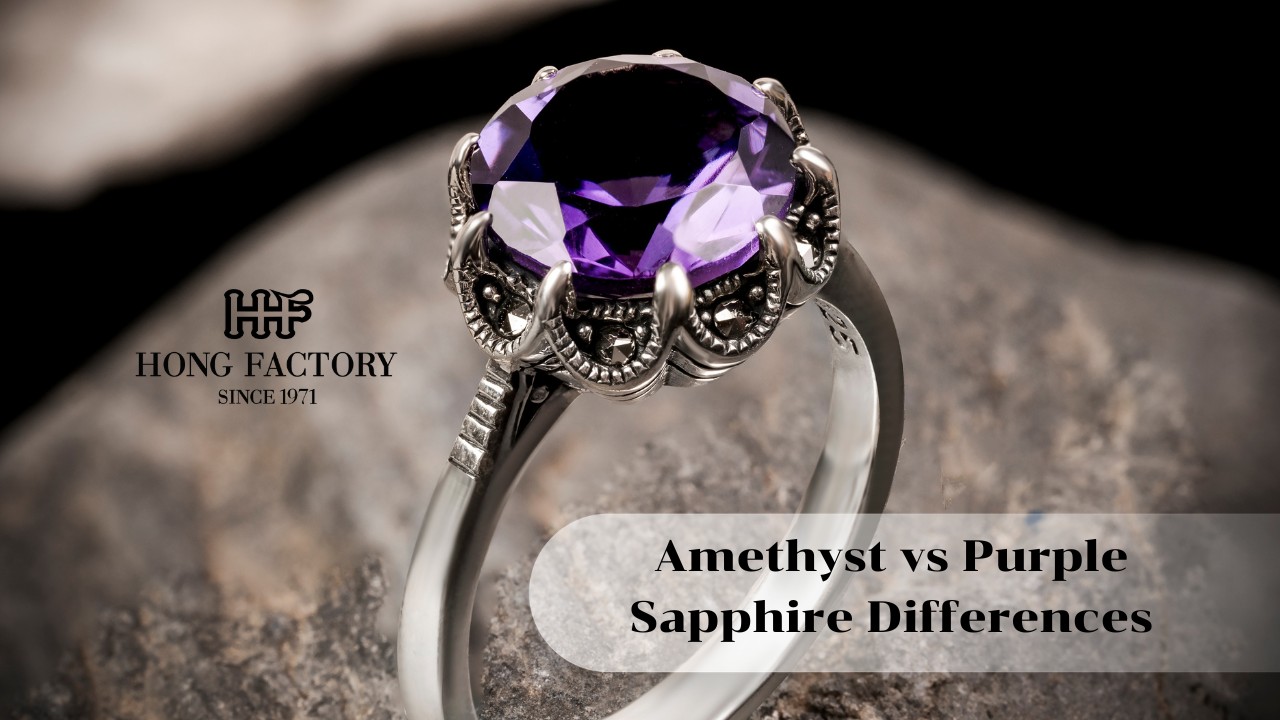
Gemstones with shades of purple have always captivated jewellery lovers, and two of the most popular options are amethyst and purple sapphire. While they may appear similar at first glance, they differ greatly in terms of rarity, durability, value, and symbolism. This article explains the key differences between amethyst and purple sapphire, helping you make an informed choice whether you are buying jewellery for beauty, symbolism, or investment. Is sterling silver real
The Origins of Amethyst and Purple Sapphire
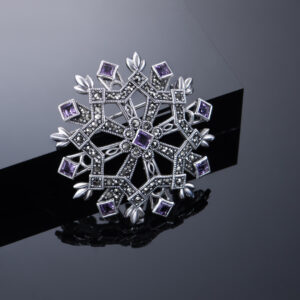
Amethyst is a variety of quartz, widely available and admired for its stunning violet shades. It has been used for centuries in jewellery and spiritual practices, valued for both affordability and beauty. Purple sapphire, on the other hand, is a variety of corundum—the same mineral family as blue sapphires and rubies. It is much rarer than amethyst and is considered a precious gemstone.
Physical Characteristics of Amethyst
Amethyst ranges from pale lavender to deep violet, often with subtle color zoning. It ranks 7 on the Mohs hardness scale, making it durable enough for everyday wear but more prone to scratching compared to harder gemstones. Its wide availability makes it more affordable, but high-quality amethyst with rich color can still be highly prized.
Physical Characteristics of Purple Sapphire
Purple sapphire displays a deeper and more vibrant shade compared to most amethyst. Its tones may range from lilac to plum to deep royal purple, sometimes with flashes of blue or pink. Ranking 9 on the Mohs hardness scale, purple sapphire is second only to diamond in durability, making it ideal for everyday wear in rings and other jewellery. Because of its rarity, it is significantly more valuable than amethyst.
Symbolism and Meaning
Both gemstones carry rich symbolism:
- Amethyst: Associated with peace, calmness, and spiritual clarity. Historically believed to prevent intoxication and promote balance.
- Purple Sapphire: Symbolizes wisdom, royalty, and power. Often seen as a gemstone of prosperity and spiritual enlightenment.
The choice often depends on whether the wearer prefers the calming, accessible energy of amethyst or the regal, powerful aura of purple sapphire.
Price and Value
One of the biggest differences lies in cost. Amethyst is widely available, making it one of the most affordable gemstones. This accessibility makes it popular for everyday jewellery and fashion pieces. Purple sapphire, however, is rare and highly valued. Its price varies depending on color intensity, clarity, and origin, but it is always significantly more expensive than amethyst.
Jewellery Applications
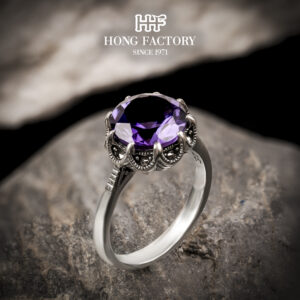
- Amethyst Jewellery: Often used in rings, earrings, pendants, and bracelets. Its affordability allows for larger statement pieces.
- Purple Sapphire Jewellery: Common in high-end rings, engagement jewellery, and luxury collections due to its rarity and durability.
Both stones are stunning in silver, gold, and platinum settings, though purple sapphire is more often seen in fine jewellery.
Caring for Amethyst and Purple Sapphire
- Amethyst: Protect from prolonged sunlight to avoid color fading. Clean with mild soap and water, and store away from harder stones.
- Purple Sapphire: Extremely durable and resistant to scratches. Can be cleaned with mild soap, warm water, or even ultrasonic cleaners.
While amethyst and purple sapphire share a captivating purple color, they differ in availability, durability, symbolism, and value. Amethyst is accessible, meaningful, and affordable, making it a favorite for everyday jewellery and birthstones. Purple sapphire, with its rarity and regal aura, appeals to collectors and those seeking a luxury gemstone. Whether you are drawn to the calming energy of amethyst or the powerful elegance of purple sapphire, both stones offer unique beauty and timeless appeal.