By
By 
Introduction
Jewellery has been a part of human culture for thousands of years, evolving alongside changes in society, technology, fashion, and personal expression. While some jewellery styles remain timeless, others rise and fall in popularity as trends shift across generations. Understanding how jewellery trends change over time provides valuable insight into the relationship between fashion, culture, and consumer behavior.
Jewellery trends are influenced by many factors, including historical events, economic conditions, celebrity influence, technological advancements, social media, and changing consumer values. What was considered fashionable decades ago may return in a modernized form, while entirely new trends emerge to reflect contemporary lifestyles.
Despite these changes, jewellery continues to serve its core purpose of enhancing appearance, expressing individuality, and celebrating meaningful moments. This guide explores how jewellery trends evolve, why trends change, and what influences the future of jewellery fashion.
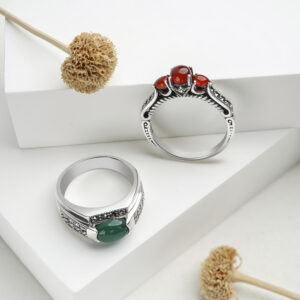
Understanding Jewellery Trends
A jewellery trend refers to a style, material, design, or fashion preference that gains popularity for a period of time.
Why Trends Matter
Trends influence:
- Consumer choices
- Designer collections
- Retail strategies
- Fashion culture
They help shape the direction of the jewellery industry.
Temporary vs Timeless Styles
Some trends fade quickly, while others become long-term classics.
Understanding this difference helps consumers make smarter purchases.
Evolution Rather Than Replacement
Many jewellery trends evolve rather than disappear completely.
Older styles often return with modern updates.
The Role of History in Jewellery Trends
History plays a major role in shaping jewellery fashion.
Ancient Civilizations
Ancient cultures introduced jewellery concepts that still influence modern designs.
Examples include:
- Gold necklaces
- Gemstone rings
- Decorative bracelets
These foundations remain relevant today.
Historical Revival
Designers frequently revisit historical periods for inspiration.
Popular influences include:
- Victorian jewellery
- Art Deco jewellery
- Renaissance designs
These styles continue to inspire modern collections.
Cultural Preservation
Traditional jewellery designs often survive through generations.
This continuity helps maintain cultural heritage.
How Fashion Influences Jewellery Trends
Jewellery and fashion are closely connected.
Complementing Clothing Styles
As clothing trends change, jewellery often evolves to match.
For example:
- Minimalist fashion encourages simple jewellery.
- Bold fashion encourages statement accessories.
Seasonal Collections
Fashion designers frequently introduce jewellery that complements seasonal clothing trends.
Runway Influence
Fashion shows often preview jewellery styles that later become mainstream.
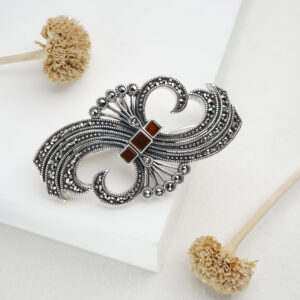
Celebrity Influence on Jewellery Trends
Celebrities have long shaped public fashion preferences.
Red Carpet Appearances
Award ceremonies showcase:
- Luxury jewellery
- Unique designs
- Emerging trends
These events influence consumer demand.
Everyday Celebrity Fashion
Fans often imitate jewellery worn by:
- Actors
- Musicians
- Influencers
This accelerates trend adoption.
Brand Collaborations
Celebrity partnerships help introduce new jewellery styles to larger audiences.
The Impact of Social Media
Social media has transformed the speed at which jewellery trends develop.
Instant Visibility
Consumers can discover new jewellery styles within seconds.
Global Reach
Trends spread internationally much faster than in previous decades.
Influencer Marketing
Influencers regularly showcase:
- Layered necklaces
- Personalized jewellery
- Statement rings
These styles often gain rapid popularity.
Consumer Participation
Social media allows consumers to contribute to trend creation.
The Evolution of Gold Jewellery Trends
Gold jewellery has remained popular for centuries.
Traditional Gold Designs
Historically, gold jewellery emphasized:
- Luxury
- Status
- Wealth
These associations continue today.
Modern Gold Trends
Current gold trends include:
- Minimalist chains
- Layered necklaces
- Stackable rings
These designs prioritize versatility.
Future Gold Trends
Sustainable sourcing and modern craftsmanship continue shaping gold jewellery.
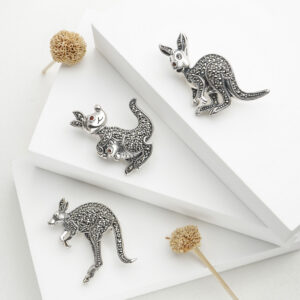
Silver Jewellery Through the Years
Silver has experienced multiple trend cycles.
Historical Popularity
Silver has long been appreciated for:
- Affordability
- Elegance
- Versatility
Contemporary Appeal
Modern consumers often associate silver with:
- Minimalism
- Clean aesthetics
- Everyday wear
Continued Relevance
Silver remains a staple in contemporary jewellery collections.
Gemstone Trends Over Time
Gemstones have evolved in popularity throughout history.
Traditional Favorites
Classic gemstones include:
- Diamond
- Ruby
- Sapphire
- Emerald
These stones maintain strong demand.
Changing Preferences
Consumers increasingly explore:
- Morganite
- Tourmaline
- Aquamarine
- Opal
These alternatives offer individuality.
Color Trends
Fashion often influences gemstone color preferences.
The Rise of Minimalist Jewellery
Minimalism has become one of the defining trends of modern fashion.
Why Minimalism Became Popular
Consumers value:
- Simplicity
- Comfort
- Versatility
These qualities support daily wear.
Common Minimalist Pieces
Examples include:
- Thin necklaces
- Small earrings
- Delicate bracelets
These designs remain highly wearable.
Long-Term Appeal
Minimalist jewellery tends to outlast short-term fashion trends.
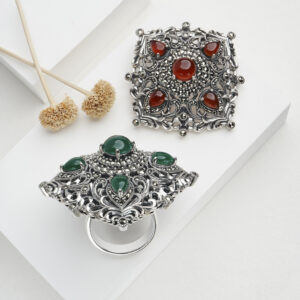
Statement Jewellery Cycles
Bold jewellery regularly returns to fashion.
Why Statement Pieces Reappear
Fashion often moves between:
- Simplicity
- Bold expression
This cycle creates renewed interest in statement jewellery.
Popular Statement Pieces
Examples include:
- Oversized earrings
- Chunky necklaces
- Large rings
These accessories create visual impact.
Fashion Balance
Statement jewellery often becomes popular after periods dominated by minimalism.
Vintage Jewellery Revivals
Vintage-inspired jewellery frequently returns to popularity.
Consumer Interest in Nostalgia
Many buyers appreciate:
- History
- Craftsmanship
- Unique design
These qualities drive vintage revivals.
Popular Revival Styles
Examples include:
- Art Deco
- Victorian
- Retro glamour
These aesthetics continue influencing modern collections.
Modern Adaptations
Designers often update vintage styles with contemporary materials and techniques.
Personalized Jewellery Growth
Personalization has become a major trend.
Why Consumers Love Personalization
Customized jewellery feels:
- Unique
- Meaningful
- Emotional
These qualities support strong demand.
Popular Personalized Designs
Examples include:
- Name necklaces
- Birthstone jewellery
- Engraved bracelets
These pieces reflect individual identity.
Long-Term Trend Potential
Personalized jewellery continues gaining popularity across age groups.
Sustainable Jewellery Trends
Environmental awareness influences modern jewellery purchasing.
Ethical Sourcing
Consumers increasingly seek:
- Responsible mining
- Fair labor practices
- Transparent supply chains
These priorities affect market trends.
Recycled Metals
Recycled gold and silver are becoming more common.
Lab-Grown Gemstones
Lab-created diamonds and gemstones continue gaining acceptance.
Technology’s Influence on Jewellery Trends
Technology is changing how jewellery is designed and sold.
Online Shopping
Digital platforms provide greater access to jewellery brands.
Virtual Try-On Tools
Consumers can preview jewellery before purchasing.
3D Printing
Advanced production methods support innovative designs.
Artificial Intelligence
AI helps brands identify emerging consumer preferences.
Cultural Influences on Jewellery Trends
Cultural traditions continue shaping global jewellery fashion.
Traditional Designs
Many cultural styles remain influential.
Global Exchange
Consumers now have access to jewellery from around the world.
Cross-Cultural Inspiration
Designers often blend influences from multiple cultures.
This encourages creativity and innovation.
Economic Factors and Jewellery Trends
Economic conditions affect consumer behavior.
Luxury Spending
During periods of economic growth, luxury jewellery often experiences increased demand.
Affordable Alternatives
Economic uncertainty may increase interest in:
- Fashion jewellery
- Lab-grown diamonds
- Alternative materials
Value-Oriented Shopping
Consumers increasingly seek quality and versatility.
The Future of Jewellery Trends
Several factors will continue shaping future developments.
Sustainability
Environmental responsibility will remain important.
Personalization
Consumers will continue seeking unique products.
Technology
Digital innovation will expand design possibilities.
Inclusivity
Jewellery collections will become increasingly diverse and accessible.
These trends reflect changing consumer expectations.
Why Some Jewellery Trends Last
Certain jewellery styles remain popular for decades.
Timeless Design
Classic pieces include:
- Gold chains
- Diamond studs
- Pearl necklaces
These designs rarely lose appeal.
Versatility
Timeless jewellery works across multiple occasions and fashion styles.
Emotional Significance
Meaningful jewellery often remains valuable regardless of trends.
How to Shop Smartly During Trend Changes
Consumers can make informed decisions by balancing trends with timeless style.
Invest in Classics
Build collections around versatile essentials.
Add Trend Pieces Carefully
Use trend-driven jewellery to refresh existing wardrobes.
Prioritize Personal Style
Fashion trends should complement individual preferences.
Focus on Quality
Well-made jewellery generally provides greater long-term satisfaction.
Conclusion
Jewellery trends change over time because fashion, culture, technology, and consumer preferences constantly evolve. From ancient gold ornaments and vintage-inspired designs to minimalist jewellery, personalized accessories, and sustainable collections, each era leaves its mark on the jewellery industry.
While trends will continue to shift, the fundamental purpose of jewellery remains unchanged: to enhance appearance, express individuality, and celebrate meaningful moments. By understanding how jewellery trends develop and evolve, consumers can make informed choices that balance contemporary fashion with timeless style.