By
By 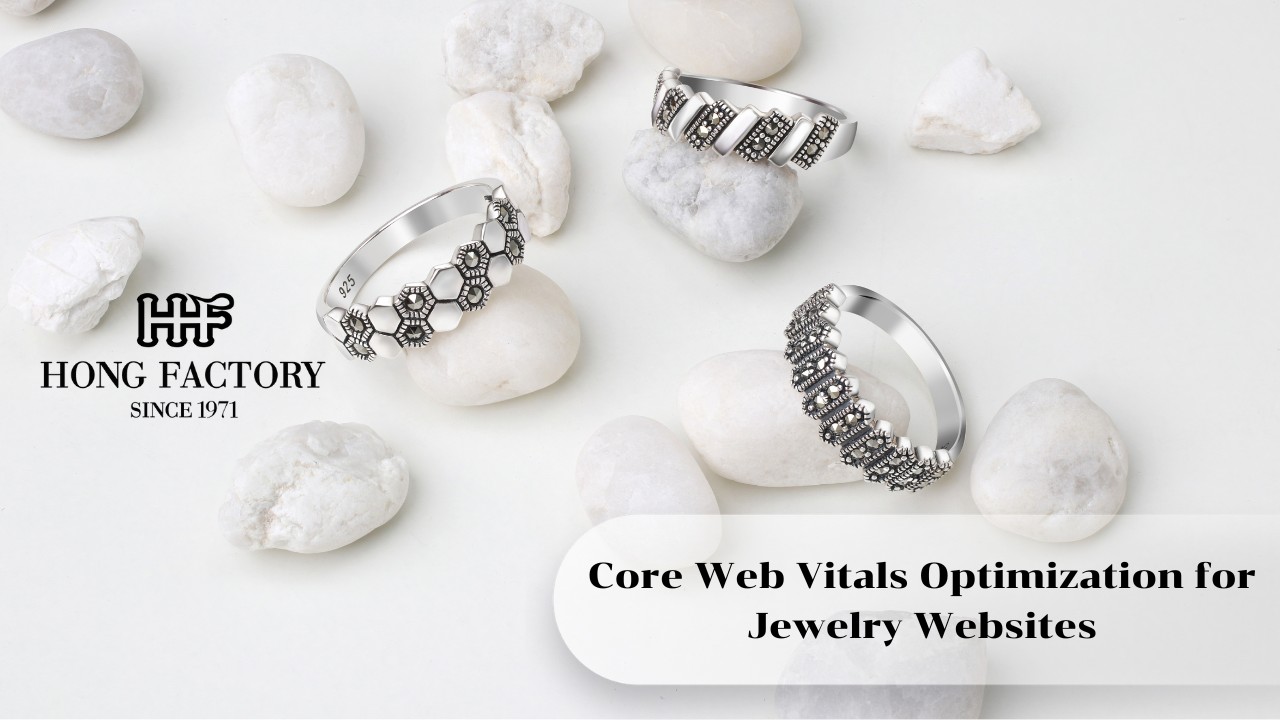
Core Web Vitals are a critical ranking and user experience factor for modern jewelry websites. Because jewelry e-commerce—especially marcasite jewelry—relies heavily on high-quality images, interactive filters, and mobile browsing, poor performance can quickly reduce trust, rankings, and conversions. Effective Core Web Vitals optimization for jewelry websites ensures fast, stable, and responsive experiences that support both SEO and sales.
This article explains how marcasite jewelry brands can optimize Core Web Vitals metrics systematically and sustainably. Marcasite stone
Understanding Core Web Vitals

Core Web Vitals measure real user experience.
The Three Core Metrics
- Largest Contentful Paint (LCP): loading performance
- First Input Delay (FID): interactivity (now evolving to INP)
- Cumulative Layout Shift (CLS): visual stability
Together, these metrics represent how users perceive speed and usability.
Why Core Web Vitals Matter for Jewelry E-commerce
Performance affects trust.
Key Benefits of Optimizing Core Web Vitals
- Improved search rankings
- Higher conversion rates
- Reduced bounce rates
- Better mobile user satisfaction
For jewelry sites, performance directly influences perceived quality.
Optimizing Largest Contentful Paint (LCP)
LCP reflects loading speed.
Common LCP Issues on Jewelry Websites
- Large, unoptimized hero images
- Slow server response times
- Render-blocking scripts and styles
Identifying the largest element is the first step.
LCP Optimization Strategies
- Compress and properly size hero images
- Use modern image formats where supported
- Implement server-side caching and CDNs
Faster LCP improves first impressions.
Optimizing Interaction to Next Paint (INP)
Responsiveness affects engagement.
Common INP Challenges
- Heavy JavaScript frameworks
- Delayed event handling
- Complex filters and sliders
Reducing interaction delays improves usability.
INP Optimization Techniques
- Minimize JavaScript execution
- Defer non-critical scripts
- Simplify interactive elements
Responsive interaction builds confidence.
Optimizing Cumulative Layout Shift (CLS)
Visual stability prevents frustration.
Common CLS Causes in Jewelry Sites
- Images without defined dimensions
- Late-loading banners or promotions
- Dynamic content injection
Unstable layouts damage trust.
CLS Optimization Best Practices
- Always define image and video dimensions
- Reserve space for dynamic elements
- Avoid layout shifts triggered by ads or popups
Stable layouts feel professional.
Image Optimization and Core Web Vitals
Images are the biggest performance factor.
Image Optimization Best Practices
- Lazy load non-critical images
- Prioritize above-the-fold images
- Use responsive image sizing
Proper image handling improves LCP and CLS.
Mobile Performance Optimization
Mobile-first indexing makes mobile critical.
Mobile Optimization Priorities
- Lightweight layouts
- Touch-friendly navigation
- Reduced animation and effects
Mobile optimization improves all Core Web Vitals metrics.
Third-Party Scripts and Performance Impact
External scripts slow sites.
Managing Third-Party Scripts
- Audit analytics and tracking tools
- Remove unnecessary scripts
- Load third-party scripts asynchronously
Script discipline protects performance.
Core Web Vitals for Product Pages
Product pages require special care.
Product Page Optimization Focus
- Fast image loading
- Stable pricing and CTA placement
- Efficient variation switching
Product page performance directly impacts revenue.
Core Web Vitals for Category Pages
Categories are high-traffic pages.
Category Page Performance Tips
- Optimize product grids
- Limit infinite scroll complexity
- Defer offscreen content
Efficient category pages improve browsing experience.
Hosting and Infrastructure Considerations

Infrastructure affects speed.
Infrastructure Optimization
- Use reliable hosting providers
- Implement CDNs for global delivery
- Optimize database queries
Strong infrastructure supports scalability.
Measuring Core Web Vitals Performance
Measurement guides improvement.
Key Measurement Tools
- Google Search Console Core Web Vitals report
- Real-user monitoring tools
- Page performance audits
Real-user data is the most accurate.
Monitoring and Continuous Improvement
Performance is ongoing.
Continuous Optimization Practices
- Regular performance audits
- Monitoring after site updates
- Performance budgets for new features
Consistency prevents regressions.
Common Core Web Vitals Mistakes in Jewelry E-commerce
Mistakes undermine gains.
Mistakes to Avoid
- Overloading pages with high-resolution images
- Excessive animations
- Ignoring mobile performance
Balance quality with performance.
Aligning Performance with Brand Perception
Performance reflects professionalism.
Brand Alignment
Fast, stable websites reinforce craftsmanship, reliability, and premium positioning.
Long-Term Benefits of Core Web Vitals Optimization
Performance compounds value.
Strategic Advantages
- Stable SEO rankings
- Higher customer satisfaction
- Increased conversion efficiency
Performance is a long-term asset.
Conclusion
Core Web Vitals optimization for jewelry websites is essential for delivering fast, responsive, and visually stable experiences that build trust and drive conversions. By focusing on LCP, INP, and CLS improvements—especially through image optimization, script management, and mobile performance—marcasite jewelry brands can strengthen SEO performance and user satisfaction simultaneously. In an image-driven, trust-based market, optimized Core Web Vitals transform technical performance into competitive advantage.